
Sourcing and quality
What Makes Northern Irish Grass-Fed Beef World-Class
People often ask why Irish beef tastes so good. The answer starts long before the cut reaches the plate, out in the green fields of Northern Ireland.
Ask a chef or a serious home cook to name the beef they trust, and Irish beef is almost always in the conversation. It has a quiet reputation, built over decades, for flavour and consistency. But reputation alone does not put a great steak on the table. So what actually makes Northern Irish grass-fed beef stand out, and why does the way cattle are reared matter so much to the finished result?
Here is what sits behind the label, from the climate and the grass to the sourcing and the skill of the butcher.
The climate does half the work
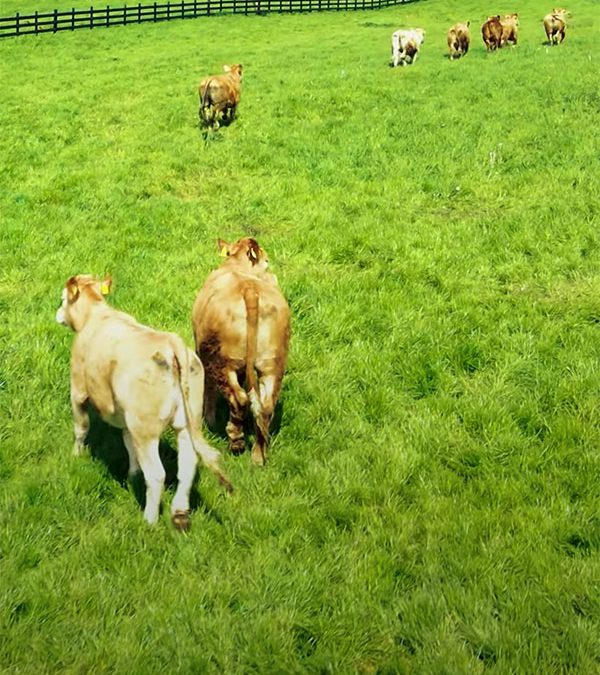
Northern Ireland has a mild, wet, temperate climate, and for growing grass that is close to ideal. Steady rainfall and gentle temperatures keep pasture green and productive for much of the year, which means cattle can graze outdoors across a long season rather than being kept inside on cereal feed.
This is the foundation of grass-fed beef. Where hotter or drier regions have to bring cattle indoors and finish them on grain, the Irish landscape lets animals do what they are built to do: mature slowly on a natural, grass-based diet. That unhurried pace is a big part of why the beef develops the depth of flavour people associate with it.
Grass-fed, simply put: the cattle are raised on grass and forage rather than being fattened quickly on grain. It is a slower, more natural way to bring an animal to maturity, and many people find it gives beef a fuller, more distinctive taste.
Why is Irish beef so good? It comes down to the grass
The phrase “you are what you eat” applies to cattle too. A diet built on fresh pasture influences the character of the beef, from its colour to its flavour and the way the fat is laid down through the muscle. Grass-fed beef is often described as having a cleaner, beefier taste, and that character is difficult to replicate with intensive grain finishing.
There is also the matter of trust. When you can point to the field an animal grazed in, you can stand over how it was reared. That traceability, from farm to finished cut, is exactly what buyers who care about quality are looking for.
Grass-fed compared with grain-fed
Both systems produce good beef, and the right choice depends on what a buyer wants. In short:
- Grass-fed cattle mature on pasture at a natural pace, which tends to give a fuller, more distinctive flavour.
- Grain-fed cattle are finished on cereals to add weight more quickly, often producing a milder, softer profile.
Across Britain and Ireland, a large share of beef is grass-fed or grass-based simply because the climate is so well suited to growing grass. Standards still vary from farm to farm, though, which is why the next point matters just as much as the pasture.
Great beef starts with great sourcing
Grass and climate set the stage, but consistency comes from careful sourcing. The best beef is the result of long relationships with farms, an understanding of how each animal was reared, and the ability to select stock to a clear standard rather than taking whatever is available.
At Hewitt Meats, the business grew from a single butcher shop founded by Jim Hewitt in 1974 into one of the most established beef operations in the region. That heritage matters because sourcing well is a skill built over time. Knowing which farms to work with, how to select prime stock, and how to prepare it to a customer’s exact specification is the difference between beef that is merely good and beef that is dependable, week in and week out. You can read more about that journey on the Our Story page, or about how stock is chosen on the Prime Stock and Sourcing pages.
The skill in the cut
Even the finest animal can be let down by careless preparation. Turning a carcass into clean, well-presented cuts is a craft, and it is where experienced butchery earns its keep. Precise boning and trimming, prepared to a customer’s specification, is what allows a kitchen to serve the same quality every single time.
This is the last, and often underrated, link in the chain: the grass grows the animal, the sourcing selects it, and the skill of the butcher presents it at its best.
Quality and sustainability can go together
There is a common assumption that beef and environmental responsibility pull in opposite directions. In practice, a grass-based, pasture-led system fits naturally with a lower-impact approach, and producers are increasingly investing to reduce their footprint further. Hewitt Meats, for example, operates as a carbon neutral business, with a farm-based biogas plant that turns crops and farm by-products into renewable energy and natural fertiliser. You can see how that works on the Sustainability page.
For buyers, that is reassuring on two fronts at once: the beef is reared the traditional way, and the operation behind it is thinking about the long term.
What to look for in your beef
Whether you are a restaurant buyer or simply want the best beef you can find, a few questions tell you most of what you need to know:
- How were the cattle reared, and were they grass-fed?
- Can the supplier tell you where the beef comes from?
- Is the stock selected to a standard, or simply bought on price?
- Is the butchery prepared to your specification and presented consistently?
Northern Irish grass-fed beef answers those questions well, which is a large part of why it travels so far. Beef reared in these fields reaches tables well beyond Ireland, a quiet endorsement of what the grass, the sourcing and the skill can produce together.
Frequently asked questions
What is grass-fed beef?
Grass-fed beef comes from cattle raised on a diet of grass and forage rather than grain. In Northern Ireland, a mild, wet climate keeps pasture growing for much of the year, so cattle graze outdoors across a long season.
Why is Irish beef so good?
Ireland’s temperate climate and high rainfall produce lush, green grass for most of the year. That natural, grass-based diet, combined with generations of farming knowledge and careful sourcing, gives Irish beef its reputation for flavour and consistency.
What is the difference between grass-fed and grain-fed beef?
Grain-fed cattle are finished on cereals to add weight quickly, while grass-fed cattle mature on pasture at a more natural pace. Grass-fed beef is often described as having a fuller, more distinctive flavour.
Is British and Irish beef grass-fed?
A large share of beef reared across Britain and Ireland is grass-fed or grass-based, because the temperate, rain-fed climate is well suited to growing grass. Standards vary between farms, so it is always worth asking your supplier how the cattle were reared.
Looking for beef you can stand over?
Hewitt Meats supplies personally selected, top quality beef to UK and European specifications.
Publishing notes: Primary keyword “grass-fed beef” with support for “Irish beef”, “why is Irish beef so good”, “grass-fed vs grain-fed” and “beef provenance”. Suggested URL slug: /blog/northern-irish-grass-fed-beef/. Meta title and description are in the page head. Consider adding one hero image of cattle on pasture or a prime cut, with alt text such as “Grass-fed cattle grazing in Northern Ireland”.
Recent Comments